 Admin
AdminIntroduction
Ever notice breakouts appear right before a big deadline, seemingly out of nowhere? That’s not bad luck. Stress affects skin and hair through very real biological pathways, and understanding the connection actually makes managing both far easier than treating symptoms alone.
The Biology Behind Stress and Skin Reactions
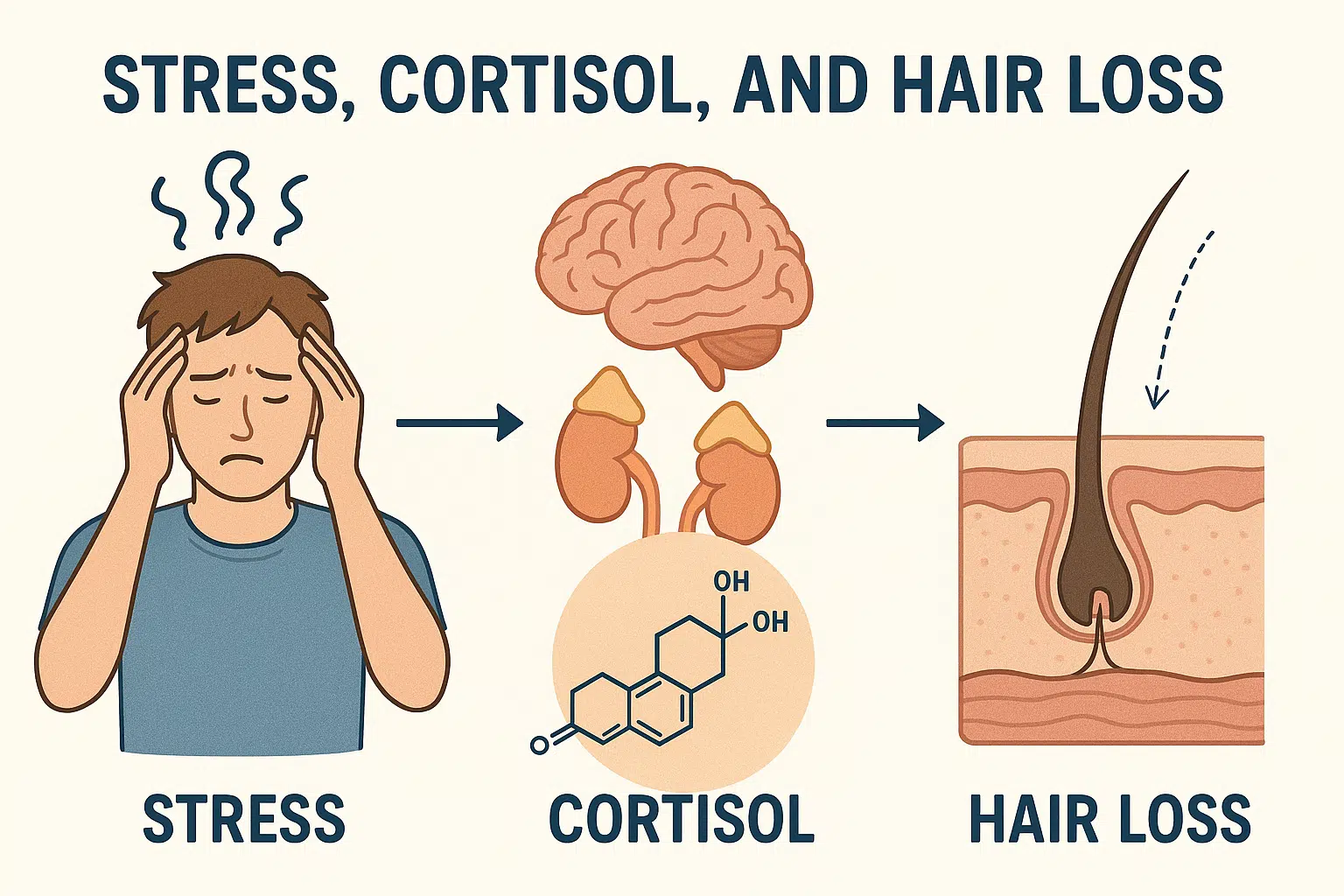
Cortisol, the primary stress hormone, increases oil production and inflammation throughout the body. This is exactly why stress affects skin so visibly — breakouts, redness, and even flare-ups of existing conditions like eczema often worsen during stressful periods specifically.
Quick Answer: Stress affects skin by raising cortisol, which increases oil production, inflammation, and slows healing — commonly showing up as breakouts, dullness, and worsened conditions like eczema or psoriasis during stressful periods.
Why Breakouts Spike During Stressful Periods
Elevated cortisol triggers oil glands to overproduce sebum, clogging pores more easily than usual. I’ve noticed this pattern myself — stressful exam weeks in college always meant a chin breakout within days, almost predictably at this point.
- Increased oil production clogging pores
- Slower skin barrier repair and healing
- Higher inflammation worsening existing conditions
The Connection Between Stress and Hair Shedding
Telogen effluvium — stress-triggered hair shedding — typically appears two to three months after a stressful event, not immediately. This delay confuses many people who don’t connect current hair fall with stress from months earlier.
Long-Term Skin Aging Linked to Chronic Stress
Chronic, ongoing stress accelerates collagen breakdown, contributing to premature fine lines and dullness over time. Picture two people the same age — one managing stress well, one constantly overwhelmed — skin aging often reflects that difference visibly.
Practical Ways to Reduce Stress-Related Skin Issues
Sleep quality matters enormously here, since poor sleep compounds cortisol’s negative effects on skin significantly. [link to related mental wellness habits guide here] Even 10 minutes of daily breathing exercises measurably lowers cortisol over consistent weeks.
When to See a Dermatologist for Stress-Related Issues
If breakouts or hair shedding persist beyond the stressful period itself, underlying issues might need professional evaluation. Stress management helps, but it’s not always the complete fix for chronic skin or hair concerns.
FAQ
Can stress alone cause permanent hair loss? Usually not — stress-related shedding is typically temporary and reverses once stress reduces.
How quickly does stress show up on skin? Breakouts can appear within days, though some effects take weeks to become visible.
Does meditation genuinely help with stress-related skin issues? Yes, regular meditation measurably lowers cortisol, indirectly benefiting skin over time.
Is stress-related hair shedding the same as pattern baldness? No, they’re different conditions with different causes and different treatment approaches.
Can diet help counteract how stress affects skin? Yes, anti-inflammatory foods can partially offset stress-related skin inflammation.
Should I change my skincare routine during stressful periods? Simplifying rather than adding more products usually helps stressed, reactive skin more.
Conclusion
Understanding how stress affects skin and hair genuinely changes how you approach both skincare and stress management together. Address the root cause, not just the visible symptom, for real long-term improvement. Has stress been showing up on your skin lately too?
Suggested alt text: “Illustration showing how stress affects skin and hair health”