 Admin
Ready to wear clothing is convenient, but it rarely fits anyone perfectly. That small frustration is why more women are returning to unstitched fabric, where you choose the cloth, the cut and the finish.
Handloom dress material gives you that control, but it also asks you to think about fabric in a more disciplined way. A kurta that feels perfect in April may be the wrong choice in July. Here is a practical, season by season guide.
Why unstitched fabric is worth the extra step
Buying fabric by the length puts the decisions in your hands: neckline, sleeve length, fit. The same cloth might become a straight kurta, a flared A line or part of a matching set. You end up with a garment cut for your proportions rather than an approximation of them.
Summer: breathability comes first
In hot weather cotton is the sensible default, though not every cotton performs alike. Seek out long staple or hand spun types such as Khadi and Mulmul, whose open weave lets air move and moisture escape. Kota Doria, Jamdani and fine slub cotton are also good choices.
If you like prints, handblock work gives richness without bulk. A Bagru handblock cotton or an Ajrakh print adds visual interest while staying light. A Mangalagiri handloom cotton is another good option, valued for its light, crisp structure.
Monsoon: choose fabrics that hold their shape
Humidity changes the brief. Cotton remains dependable, but now you want cloth that dries fast and does not collapse in damp air. Cotton silk blends and lightweight linen both manage this, and they avoid the heavy, clinging feel some fabrics develop in wet weather.
Festive months: richer textures
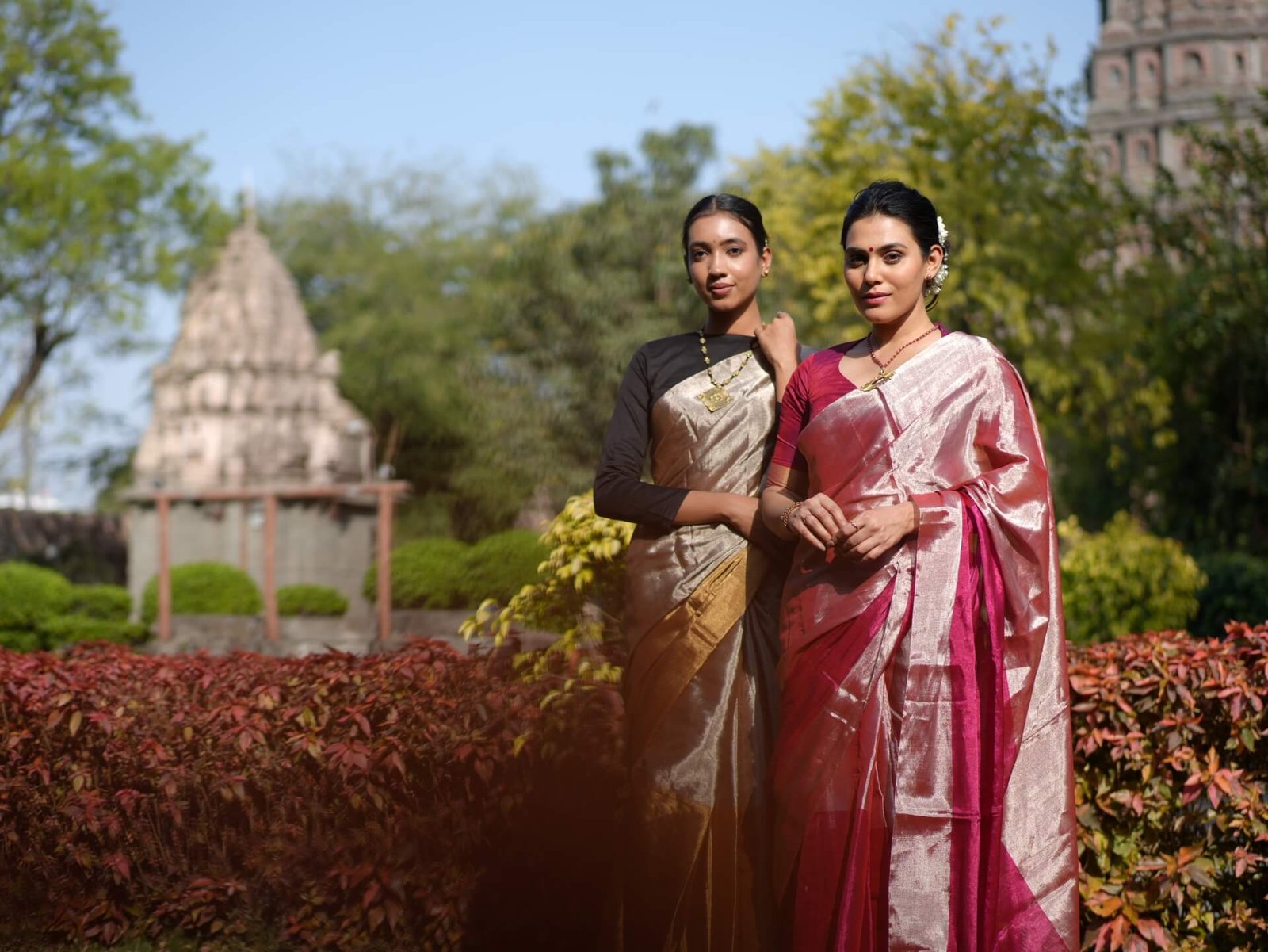
As the weather cools and celebrations begin, the wardrobe can move towards fabrics with more depth. Chanderi, Banarasi and textured Tussar give a refined sheen and a slightly fuller drape, which suits evening gatherings and family functions. A Chanderi silk cotton suit fabric is especially versatile, because it can be tailored into an office ready kurta set, a festive outfit or a contemporary fusion look.
A note on Ikat
Ikat, with its distinctive geometric patterns, is a good reminder that minimal does not have to mean plain. A handwoven Ikat cotton dress material brings pattern and depth while keeping the silhouette clean.
What to check before you buy
Ask about the composition, the weaving technique and the region the fabric comes from. Handwoven cloth should feel soft and show small natural variations, and it tends to improve with washing. If you are comparing options, a dedicated range of kurta fabric lets you see weights, weaves and prints side by side, which is far more useful than judging from a single photograph.
Conclusion
Choosing handloom dress material is partly about personal style and partly about the calendar. Match breathable cotton to summer, structured blends to the monsoon and richer weaves to festive months, and you will end up with kurtas that fit well and feel right in the weather they were made for.