 Admin
AdminIntroduction
Standing in front of a wall of makeup brushes, all vaguely similar-looking, is genuinely overwhelming for most people. Knowing how to choose makeup brushes properly saves both money and the frustration of owning a dozen brushes you never actually use.
Understanding Bristle Types Before Buying
Synthetic bristles work best for liquid and cream products, while natural bristles suit powder products better generally. Learning how to choose makeup brushes starts with matching bristle type to the products you actually use most often.
Quick Answer: When learning how to choose makeup brushes, prioritize a foundation brush or sponge, a fluffy powder brush, an angled blush brush, and a small blending eyeshadow brush — four essentials covering most everyday makeup application needs.
Essential Brushes Every Beginner Needs
You genuinely don’t need fifteen brushes to start — four to five well-chosen ones cover most everyday makeup needs adequately. Building a collection gradually, based on actual use, beats buying an entire overwhelming set upfront.
- Foundation brush or blending sponge
- Fluffy powder brush for setting
- Angled brush for blush and contour
- Small blending brush for eyeshadow
Synthetic vs Natural Bristles Explained
Synthetic bristles are cruelty-free, easier to clean, and don’t absorb liquid products the way natural hair does. Natural bristles, meanwhile, pick up and distribute powder products more evenly, making them ideal for setting powder specifically.
Budget vs Premium Brush Considerations
Picture someone spending ₹5000 on a single brush when a ₹300 synthetic option performs nearly identically for most daily needs. Premium brushes offer marginally better bristle density and handle craftsmanship, but budget options genuinely work well for most people.
How to Test Brush Quality Before Purchasing
Gently tug bristles to check shedding — quality brushes shouldn’t lose bristles easily during a simple tug test. Fan the bristles out slightly too; they should spring back to shape rather than staying splayed or misshapen afterward.
Maintaining Brushes for Longer Lifespan
Weekly cleaning with mild shampoo extends brush lifespan significantly and prevents bacterial buildup that affects skin. [link to related office makeup look guide here] Proper drying, laid flat rather than upright, also prevents bristle and glue damage over time.
FAQ
How many makeup brushes does a beginner actually need? Four to five well-chosen brushes cover most essential everyday makeup application needs.
Are expensive makeup brushes really worth the extra cost? Sometimes, for daily use, though budget synthetic options often perform quite comparably.
How often should I replace my makeup brushes? Well-maintained brushes can last 1-3 years depending on quality and cleaning frequency.
Is a beauty sponge better than a foundation brush? Neither is universally better — sponges blend seamlessly, brushes offer more precise control.
Do synthetic brushes work as well as natural hair brushes? Yes, especially for liquid and cream products where synthetic bristles perform better actually.
How do I know when it’s time to replace a brush? Excessive shedding, bent bristles, or lingering odour despite cleaning signal replacement time.
Conclusion
Knowing how to choose makeup brushes genuinely simplifies both shopping and daily makeup application significantly. Start with the essentials, expand gradually, and maintain what you own properly for lasting value. Which brush is missing from your current collection?
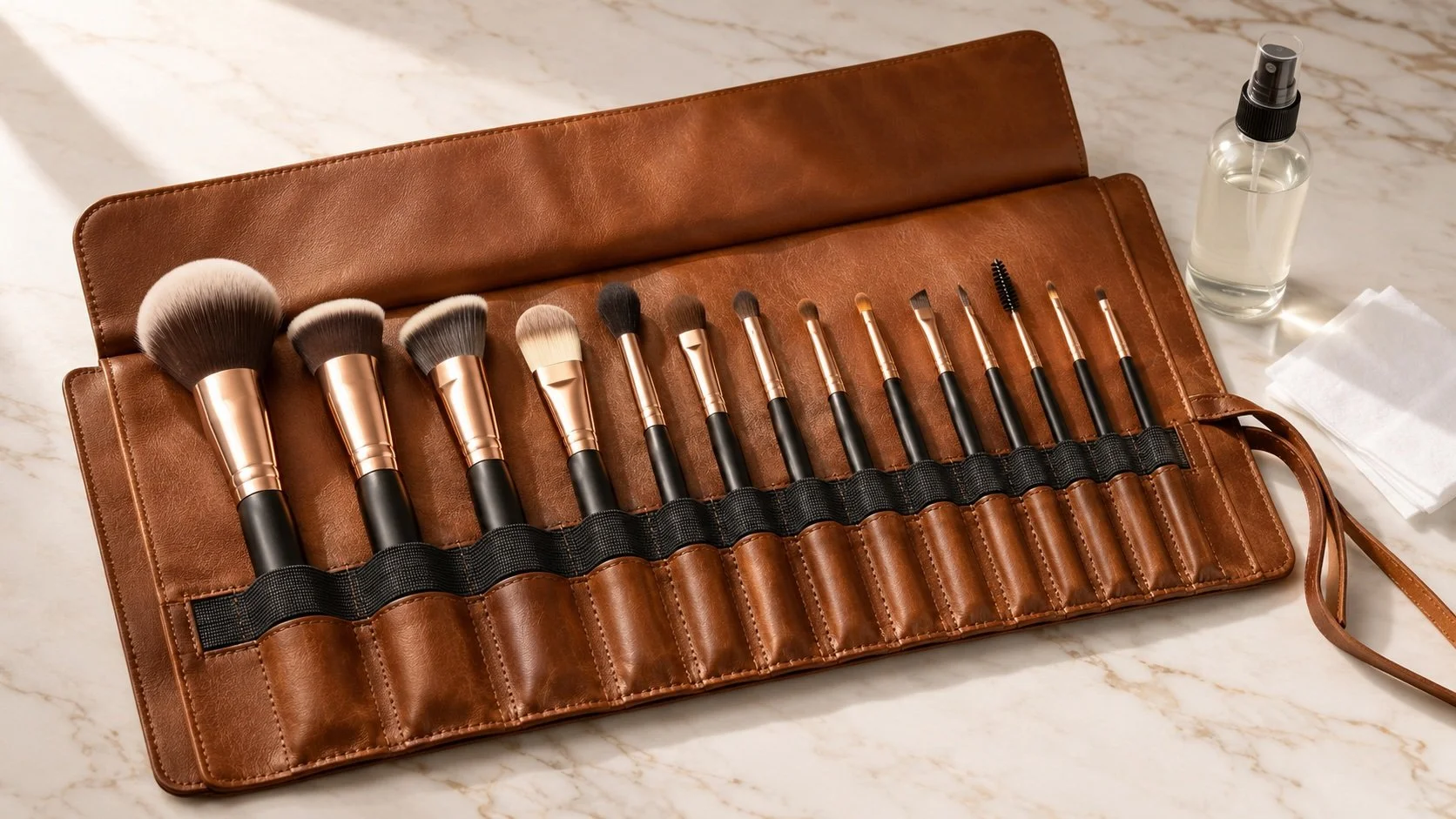
Suggested alt text: “Guide showing how to choose makeup brushes with different bristle types”